
Study AbroadAugust 26, 2026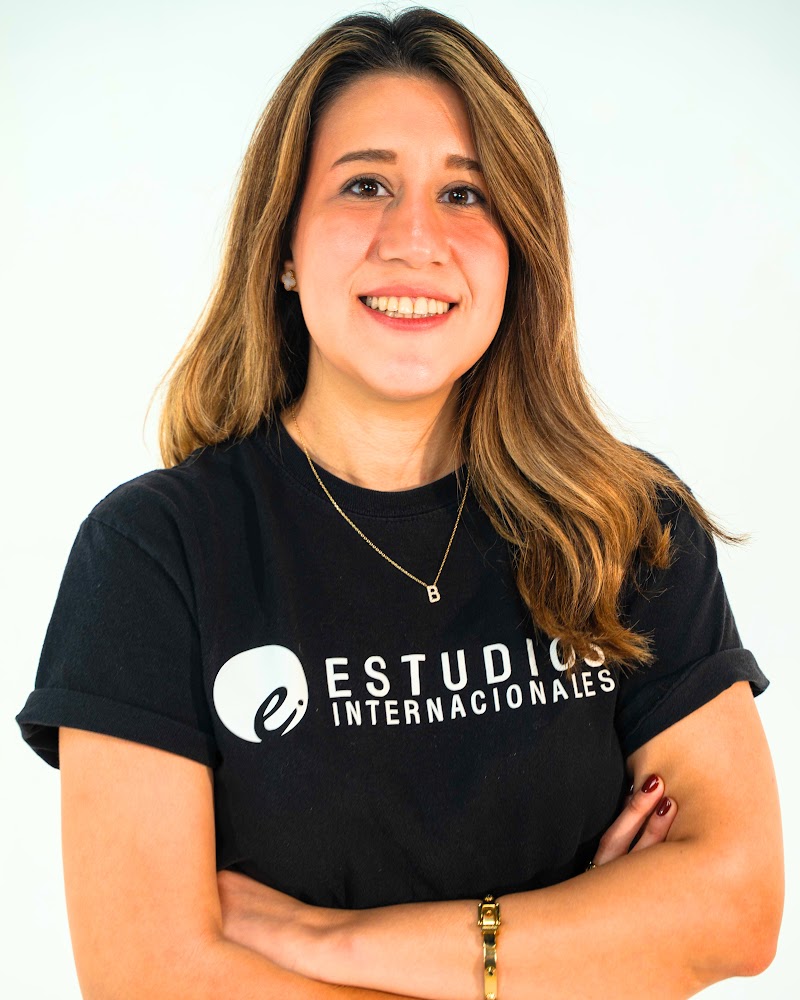 By Betsy Morán
By Betsy MoránScholarships to Study in Spain: Public or Private?
One of the questions we hear most often from students who want to study in Spain is: "Can I get a scholarship to study in Spain?" The answer is yes, but it's important to understand that scholarship opportunities work differently depending on whether you choose a public or private university.
We often assume that studying at a public university automatically means getting a scholarship. That's not always the case: at Spanish public universities, one of the main advantages for international students is usually that tuition is already considerably more affordable than at a private university. On the other hand, some private universities do offer scholarships, financial aid, or tuition discounts, depending on the student's academic profile and each institution's conditions.
DO PUBLIC UNIVERSITIES IN SPAIN OFFER SCHOLARSHIPS?
Yes, there are different types of aid and scholarships, but not all of them are available to international students or awarded automatically. Requirements can depend on the university, the region, the student's nationality, their academic standing, and other factors.
That's why, when a student asks us "which university can give me a scholarship?", the first thing we do is review their profile and the options available. In many cases, the financial benefit of studying at a public university doesn't come from a scholarship — it comes from the fact that tuition is already more affordable from the start.
A SIMPLE EXAMPLE
Let's imagine two options:
• Public university: tuition of around €1,000 per year.
• Private university: tuition of around €10,000 per year. With a 50% scholarship, the student would pay around €5,000.
Even though the scholarship is a significant benefit, the public university could still end up being cheaper. That's why you shouldn't look only for a scholarship — you also need to look at the final cost of studying.
WHAT ABOUT PRIVATE UNIVERSITIES?
At private universities, you can also find scholarship and discount opportunities. These can depend on factors such as:
• Academic performance.
• Student profile.
• Chosen program.
• Results from the admissions process.
• Financial need, in some cases.
• University-specific calls for applications.
Some private universities also have support programs specifically for international students. That's why it's important not to rule out a private university just because its initial price is higher.
A REAL CASE: WHEN A SCHOLARSHIP CHANGES THE COST OF A PRIVATE UNIVERSITY
One of our students was interested in pursuing her master's degree in Spain, but initially only considered public universities because of her budget. When we reviewed her academic profile and options, we also found alternatives at private universities with the possibility of a scholarship or tuition discount.
After comparing the different options, a private university ended up being an alternative worth considering. She ultimately decided to pursue a Master's in International Business at CEDEU:
• Original program cost: €8,600.
• Scholarship awarded: €1,720.
• Final cost of the master's: €6,880.
Cases like this show that you shouldn't choose a university based on the sticker price alone. It's important to compare: tuition + possible scholarship or discount + cost of living + city + program + academic opportunities. Every student has a different profile, and opportunities can vary too.
IS IT BETTER TO STUDY AT A PUBLIC OR PRIVATE UNIVERSITY?
There's no single answer. If your priority is lowering tuition cost, a public university can be an excellent option. If you're open to considering a private university, we can look into whether there are scholarships or discounts that make the final cost more accessible.
Beyond price, it's also worth looking at the program, the city, the language, admission requirements, and the opportunities each institution offers. That's why, when we review universities with our students, we don't just ask "how much does this university cost?" — we also ask "how much would this student actually end up paying?" A more expensive university might come with a significant scholarship, while a public university might have lower tuition from the start. The best option depends on your profile and your budget.
Thinking about studying in Spain? Start preparing your project early. You can book a consultation with me and we'll go over the options that could work for you together.
Information about costs, dates, and requirements can change. We recommend booking a personalized consultation to confirm the most up-to-date details for your process.
— Betsy, specialist in public universities in Spain, private universities in Germany, universities in the United States and Ireland, and Work & Study programs in Ireland.