Study AbroadSeptember 2, 2026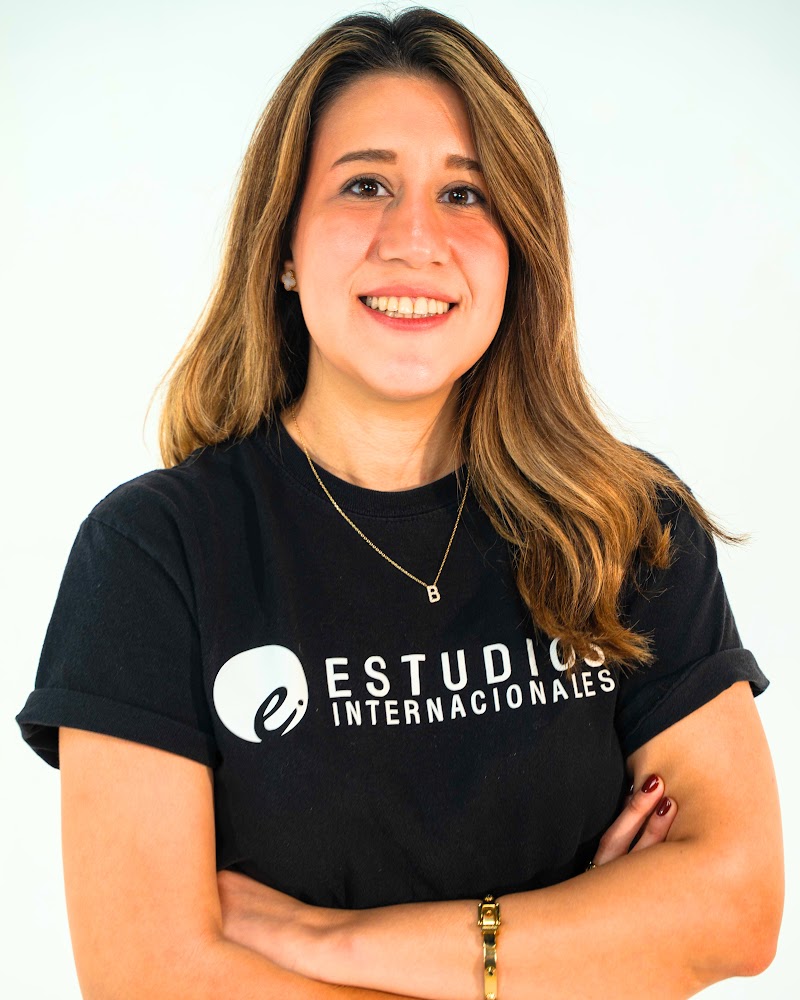 By Betsy Morán
By Betsy MoránPrivate Universities in Germany: How to Apply
When we talk about studying in Germany, we often think of public universities first. But private universities are also a very interesting option for international students, especially those looking for programs with an international focus, English-taught options, or specific fields of study.
In our work with students, one of the questions we hear most often is: "how can I apply to a private university in Germany?" The process can vary depending on the university and program, but there are some important steps to know before you start.
THE FIRST STEP: FINDING THE RIGHT PROGRAM
Before starting an application, there's something fundamental for me: finding a program that truly fits your profile and your goals. First, we need to be clear on what you want to study, what academic level you're looking for, and what your expectations are for the future.
Among the private universities in Germany we work with are UE – University of Europe for Applied Sciences, GISMA University of Applied Sciences, KLU – Kühne Logistics University, and Constructor University, among others, with programs in areas like Business, Management, Marketing, Finance, Data Analytics, Computer Science, Logistics, and Engineering. Each one has different programs, focuses, and requirements, so it's not just about picking a university — it's about finding the option that best fits each student.
Before choosing, I recommend reviewing:
• The academic program and the language it's taught in.
• Admission requirements and program length.
• The city, tuition cost, and cost of living.
• Career opportunities after graduation.
CAN I STUDY IN ENGLISH?
Yes. There are private universities in Germany that offer programs fully taught in English, especially in fields like Business, Management, Marketing, Finance, and Data Analytics — a big advantage for students who don't yet speak German.
What's interesting about these options is that you can study your degree or master's in English while gradually learning German during your time in the country. You don't need to be fluent to start your studies, but picking it up along the way can be a valuable tool for settling in and for future career opportunities. That said, you should always check the specific program, since available languages and requirements can vary by university.
WHAT DO I NEED TO APPLY?
Every university has its own requirements, but you'll typically need:
• Academic diploma and transcripts, in English.
• Passport and CV in English.
• Letter of motivation.
• English language certification, depending on the program.
• Letters of recommendation, in some cases.
It's also important to verify that your prior education meets the program's access requirements. That's why, before submitting an application, I always recommend comparing your full academic profile against the university's specific requirements.
WHAT DOES THE APPLICATION PROCESS LOOK LIKE?
At Estudios Internacionales, we guide you through the entire process: we submit the application on your behalf and help you prepare and organize the required documentation. We review every requested document, check whether it needs translation or certification, and make sure everything meets the university's requirements and deadlines.
At many of these universities, the main intakes are in September and February, so it's worth starting the process early. Behind an application there are documents, translations, and certifications that can take time, so the sooner we organize the process, the more calmly we can prepare it before the deadline.
WHAT HAPPENS AFTER YOU'RE ADMITTED?
Getting your acceptance letter is great news, but there are still important steps ahead: arranging everything related to arriving in Germany — housing, health insurance, proof of financial resources, and immigration paperwork — which can vary depending on each student's nationality and situation. That's why I don't recommend leaving these procedures until the last minute.
A REAL CASE: STUDYING A MASTER'S IN GERMANY WITHOUT SPEAKING GERMAN
I want to share the story of one of our students, because it shows very well how finding the right program can make the whole process much easier.
She wanted to pursue a two-year master's in Germany, but when she started her search she had an important limitation: she only spoke English, not German. Based on her previous degree and what she wanted to develop professionally, we compared the curriculum and academic focus of several programs until we found the best fit for her profile: a Master's in International Business Management at UE – University of Europe for Applied Sciences.
Thanks to our partnership with the university, we were able to guide her directly through the application process and make it much smoother. This case shows something important: you don't need to arrive in Germany speaking German to start your studies — you can use your time in the country to learn it while moving forward academically and professionally.
WHAT SHOULD YOU CONSIDER BEFORE CHOOSING?
Something I always recommend is not choosing a university based only on its name or price. Before deciding, ask yourself:
• Does the program truly fit what I want to study?
• Do I meet the admission and language requirements?
• Is the cost of the university and living in that city within my budget?
• Does the program align with my professional goals?
Every student has a different profile, so the ideal university for one person isn't necessarily the best option for another.
If you're considering a private university in Germany and don't know where to start, I can help you review your profile and find options that fit your academic and professional goals. Book a consultation with me and we'll go over your case together, step by step.
Information about costs, dates, and requirements can change. We recommend booking a personalized consultation to confirm the most up-to-date details for your process.
— Betsy, specialist in public universities in Spain, private universities in Germany, universities in the United States and Ireland, and Work & Study programs in Ireland.