
Study AbroadSeptember 8, 2026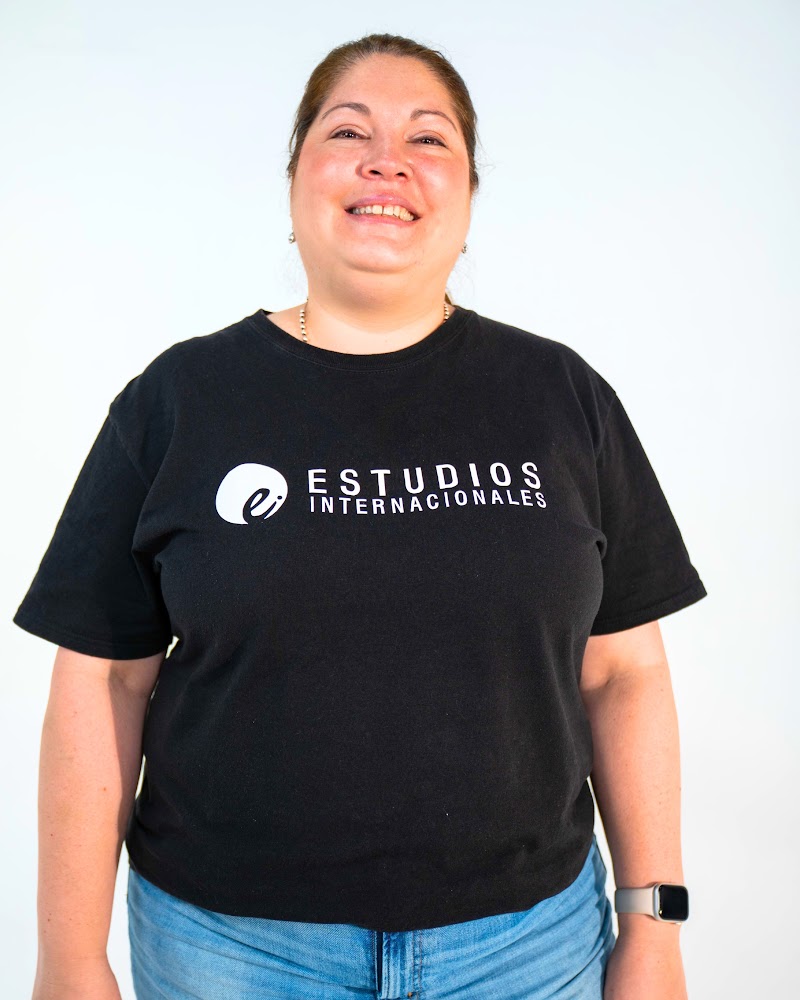 By Gabriela Rivera
By Gabriela RiveraIs It Hard to Get a Canada Study Permit?
If you're thinking about studying in Canada, someone has probably already told you: "the Canadian visa is hard to get." And it's true that Canada has made several changes to its immigration policies in recent years: what worked for a student two or three years ago doesn't necessarily work the same way today. But that doesn't mean getting a study permit is impossible.
After 18 years personally guiding students through their study-abroad processes, I've learned that the difficulty usually isn't filling out a form — it's knowing what has changed, what documents you need, and how to present your study plan in a coherent way.
THE RULES CHANGE, AND SO SHOULD YOUR PROCESS
One of the easiest mistakes a family can make is thinking: "I already helped my older child get their visa, so I know how to do this." Let me share a real case.
A father worked with us on his first child's process, who got his study permit for Canada in January 2024; at the time, he chose to submit the application on his own, even though we gave him our guide. When his second daughter prepared her application for January 2027, conditions had already changed: the family submitted the application the same way, and this time it was rejected.
They came back to us. We reviewed what had happened with the first application, and for this second application, the family did follow our guide and let us support them through the whole process. The student resubmitted her application and this time got her study permit.
For me, this case sums up perfectly why having an up-to-date guide matters: you can't assume that because something worked for someone else — even a sibling — it'll work exactly the same way for you. Immigration policies change, and every student has a different academic, family, and financial situation.
At Estudios Internacionales, we aren't immigration consultants: our role is to guide you through your educational project and provide you, at no cost, with a guide to the study permit process when you apply with us. If you'd also like professional immigration advice for preparing and submitting your application, we can connect you with the specialists we work with; that's an additional paid service.
WHAT DO YOU NEED TO APPLY FOR A STUDY PERMIT?
If you're going to study in Canada for a period that requires a study permit, you'll need to prepare different documents depending on your situation, including:
• A letter of acceptance from a Canadian institution and a valid passport.
• Academic documentation and proof of financial resources.
• Personal and family documents.
• Biometrics and a medical exam, when required.
• Translations of documents not in English or French.
• Other specific documents depending on your profile.
The process and documents can vary from student to student, so I don't recommend using someone else's application as a template and simply copying it.
HOW MUCH DOES A STUDY PERMIT APPLICATION COST?
Currently, the Government of Canada's fee to apply for a study permit is CAD $150, and biometrics cost CAD $85 per person, when applicable. You should also plan for other costs that may come up during the process, such as:
• Medical exams (when required by the Government of Canada, with an authorized doctor, at the student's expense).
• Translations.
• Certificates or additional documents.
• Other third-party services that may be needed.
These costs are separate from tuition and the costs of living and studying in Canada.
WHAT IF YOU WANT TO STUDY ENGLISH?
If you're thinking about traveling to Canada just to study English for a short period, the process can be different: for programs of six months or less, you typically don't need a study permit if you meet IRCC's conditions, though you do need the appropriate valid document to enter Canada for your nationality and situation. That's why, before deciding which process to follow, it's important to look at the length and characteristics of your program.
WHAT IF YOU'RE TRAVELING TO CANADA WITH YOUR PARTNER?
This is a question we hear often, especially from students interested in a master's degree: one person may want to study while their partner looks into the possibility of working in Canada. However, not every international student automatically generates the same benefit for their partner — eligibility depends on the program the student is enrolled in and current immigration requirements.
Currently, the spouse or common-law partner of an international student may be eligible for an open work permit in certain cases, including students enrolled in a master's program of 16 months or more or a doctoral program, as long as the other requirements are met. That's why, if you're thinking about traveling with your partner, it's important to look into this before choosing your study program.
At Estudios Internacionales, we also work with a Salvadoran advisor who specializes in these processes and can guide couples planning their study project in Canada. This immigration consultation is handled as an additional paid service.
CAN YOU DO THE PROCESS ON YOUR OWN?
Yes. The Government of Canada provides instructions for submitting your own application and generates a personalized document checklist based on your answers during the process. But just because you can do it alone doesn't mean you have to: our experience has taught us that having an up-to-date guide is especially useful when there are policy changes, when you're unsure what documents to submit, or when your situation is different from other students'.
As I like to tell students who ask me if they can do the process on their own: "Yes, you can. But if you have the chance to use a guide, why not take advantage of it?" At Estudios Internacionales, that guide is free for those who go through their educational process with us; it doesn't replace advice from an immigration professional, but it does help you understand the steps and documentation you need to prepare.
Many Canadian institutions have strengthened the support they offer international students, and some even use artificial intelligence tools to organize files, but technology doesn't replace an analysis of your specific case: your academic history, family situation, financial capacity, and goals all need to fit together coherently.
WHAT'S THE FIRST STEP?
The first step isn't filling out the immigration application. It's choosing the right program and institution, understanding your profile, and knowing from the start which immigration requirements apply to your project. From there, we can help you organize your educational process and provide our study permit guide.
Remember: no one can guarantee approval of a study permit — the final decision belongs to the Government of Canada. What we can do is help you understand the educational process and support you with a clear guide at every step.
If you're thinking about studying in Canada and want to know what your project would look like, book a consultation with me and we'll go over your options from the start.
Information about costs, dates, and requirements can change. We recommend booking a personalized consultation to confirm the most up-to-date details for your process.
— Gaby, specialist in international education in Canada, admissions, scholarships, procedures, and support for international students.